What virtual staging costs per photo.
Published rates for a single staged photo run from roughly $7 to $30, and the spread comes almost entirely from who does the work and how much you commit to up front. The per-photo number is also the wrong unit for budgeting a whole listing.
Three ways the market prices it
Every quote you will see belongs to one of three models, and they behave differently once a listing has eight rooms in it.
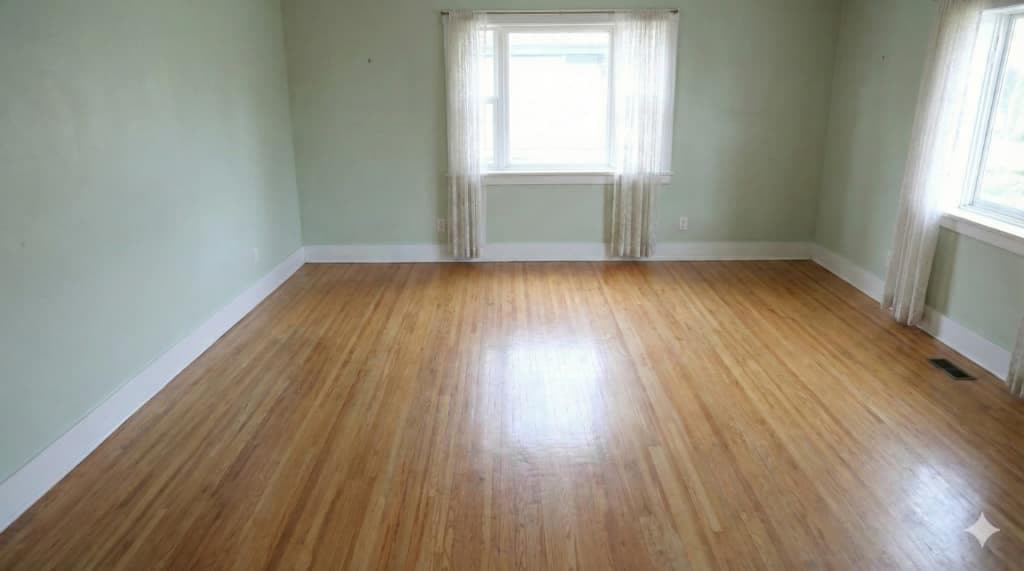 Before
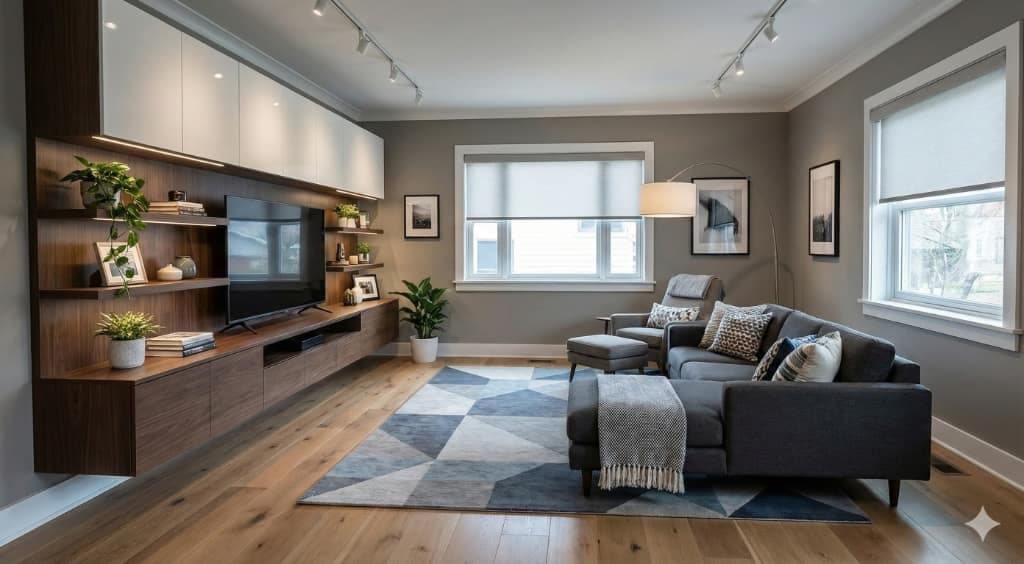 After
After- Per photo, done for you. A person stages your image and returns it. BoxBrownie, the most widely quoted of these, publishes US$30.00 per photo on a 48-hour turnaround, and includes unlimited change requests free for two months from the original job date. Others in this bracket sit around $23 per image, dropping to roughly $16 once you send eight or more at once.
- Bundled done-for-you. The same human service sold as a block. A published example is $99 for ten photos (US$9.90 each) or $149 for twenty ($7.45 each) on a 24-hour turnaround. The effective rate falls by two thirds, and in exchange you buy the volume before you know you need it.
- Self-serve AI, monthly. You do the staging and the tool does the rendering. Entry tiers cluster at $19 to $25 a month. The allowance is where these differ sharply: one $19 plan grants 30 credits, while a $25 plan grants 500. Compare the credits, since the headline price says very little.
The multiplication that decides the budget
A listing is rarely one photo. Take a modest three-bed with a living room, kitchen, dining area, primary bedroom, two further bedrooms, a study and an outdoor space. That is eight images.
- At $30 per photo, the listing costs $240.
- At the bundled ten-photo rate, about $99.
- On a $19 monthly plan that grants 4,500 credits, eight standard renders consume 560 credits. That is roughly an eighth of one month, or about $2.40 of allowance.
The gap widens with every listing you take on in the same month. For an agent doing one property a quarter, the per-photo service is simpler and the difference is immaterial. For anyone running several listings at once, the subscription model changes the arithmetic entirely.
What the sticker price leaves out
- Revisions. The single largest hidden variable. Some services include unlimited changes; others charge per round. Ask before you buy, because a first pass that misreads the room is common and the second pass is where the value sits.
- Rush fees. Standard turnaround is 24 to 48 hours. Compressing that to under twelve typically adds $6 to $12 per image, and listing photography has a habit of arriving the day before it goes live.
- Item removal.A room with the seller’s furniture still in it needs clearing before it can be staged. That is a separate line: around $5 for a simple removal, $10 for a complex one. It applies per photo.
- The photography itself. Staging works from what the camera captured. A badly lit, wide-angle phone shot limits the result regardless of what you spend on the staging.
- Your own time. Self-serve rates assume you are doing the work. Two minutes per render is a rounding error; forty minutes of fighting a tool for a usable result is a real cost.
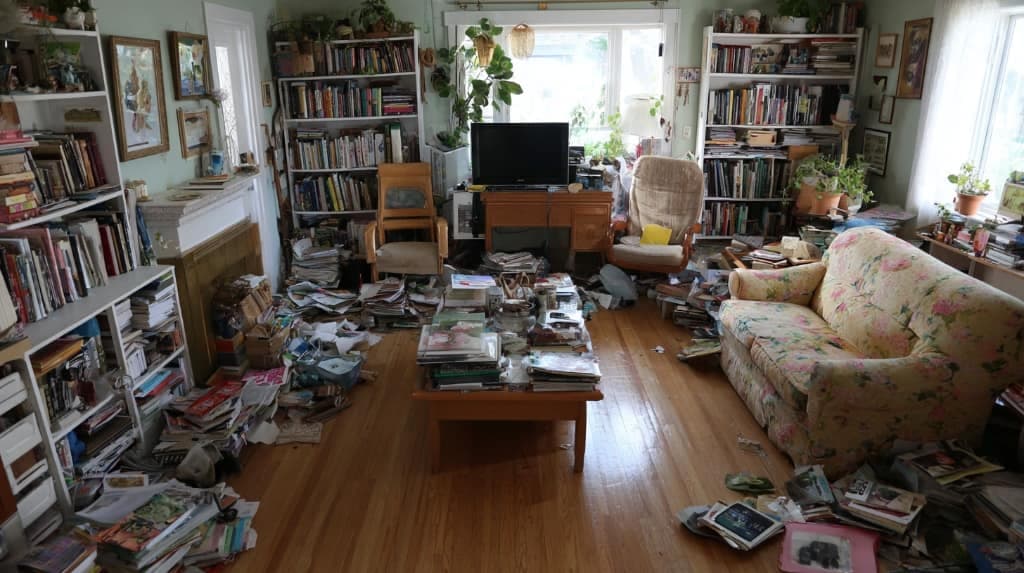 As shot
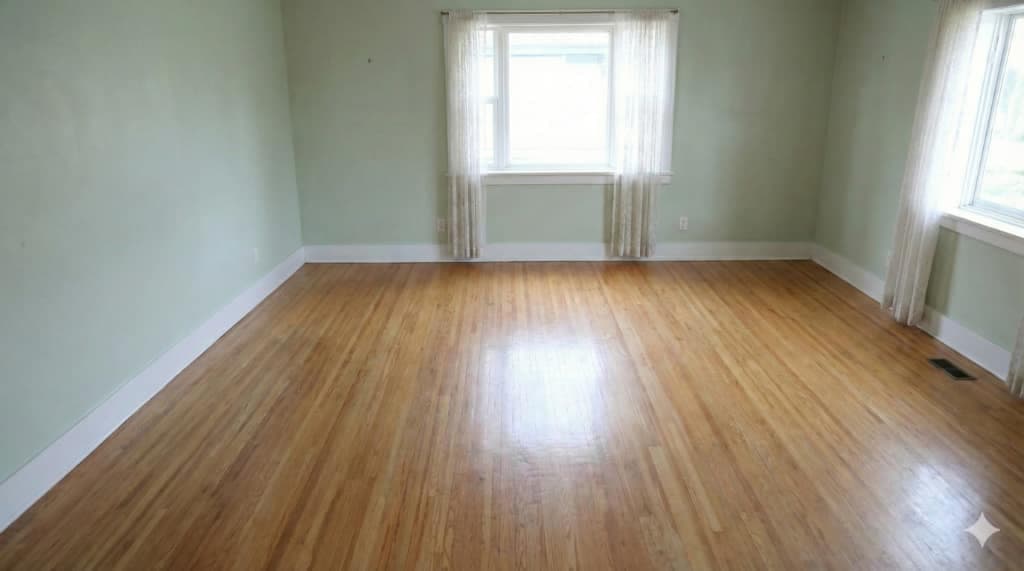 Cleared
Rendering from the plan
There is a fourth route that prices differently because the unit differs. A fourth route sells you the room itself: you upload the floor plan and render the rooms it contains. The cost then attaches to the room, which matters when you want the same room from two angles or in two styles. Additional views of a room you have already furnished cost the same as the first.

Eye level

Corner

Front on
It also covers the case a photograph handles poorly: a property that is still under construction, where the only thing in existence is the plan. That workflow is covered in floor plan to 3D render, and at listing scale in bulk virtual staging.
Working out your own number
- Count the images a typical listing needs. Eight is a fair median.
- Multiply by how many listings you run in a month.
- Add one revision round per image, since you will use it.
- Compare that total against a monthly plan, converting credits into renders before you compare prices.
- Weigh turnaround honestly. A 48-hour service and a two-minute render are different products at the point where the listing goes live tonight.
Below roughly four images a month, the per-photo services win on simplicity. Above about fifteen, the subscription is cheaper by a wide margin and the control is worth more than the saving.
A note on these figures
Every price here was read from the vendor’s own pricing page in August 2026, and two things are worth knowing when you check them yourself. Most pricing toggles default to annual billing, so the headline monthly figure is often the annual total divided by twelve. The true month-to-month price can be double it. And several tools substitute local currency by region and hide the selector, so the number you see may differ from the number quoted in an article.
Whether it earns the spend
Cost is half the question. The other half is covered in is virtual staging worth it, which looks at when a physical stage remains the better call and at the disclosure rules that apply either way.
Common questions
How much does virtual staging cost per photo?
Published rates for a single staged photo run from roughly $7 to $30. BoxBrownie, the most widely quoted done-for-you service, lists US$30.00 per photo on a 48-hour turnaround, while bundles bring the same human work down to $9.90 each for ten photos or $7.45 each for twenty.
How much does it cost to virtually stage a whole house?
Count on eight images for a modest three-bed. At $30 per photo that listing costs $240, a bundled ten-photo block covers it for about $99, and on a $19 monthly plan granting 4,500 credits the same eight renders consume 560 credits, roughly $2.40 of allowance.
What extra fees does virtual staging add?
Three line items sit outside the headline rate. Rush turnaround under twelve hours typically adds $6 to $12 per image, item removal runs around $5 for a simple clear and $10 for a complex one, and revisions are included by some services and charged per round by others.
How long does virtual staging take?
Standard done-for-you turnaround is 24 to 48 hours, and paying a rush fee compresses that to under twelve. A self-serve AI render lands in about two minutes, which is a different product at the point where the listing goes live tonight.
Is a virtual staging subscription cheaper than paying per photo?
It depends on volume. Below roughly four images a month the per-photo services win on simplicity, and above about fifteen the subscription is cheaper by a wide margin. Convert credits into renders before you compare, since one $19 plan grants 30 credits and a $25 plan grants 500.
Try it on your own plan
Upload a floor plan or a room photo and see the first renders in about thirty seconds.
100 free credits · no credit card required
Get the next guide when it lands
We publish these as we work through what people actually ask about pricing, staging and turnaround. Leave an address to hear when a new one goes up.